
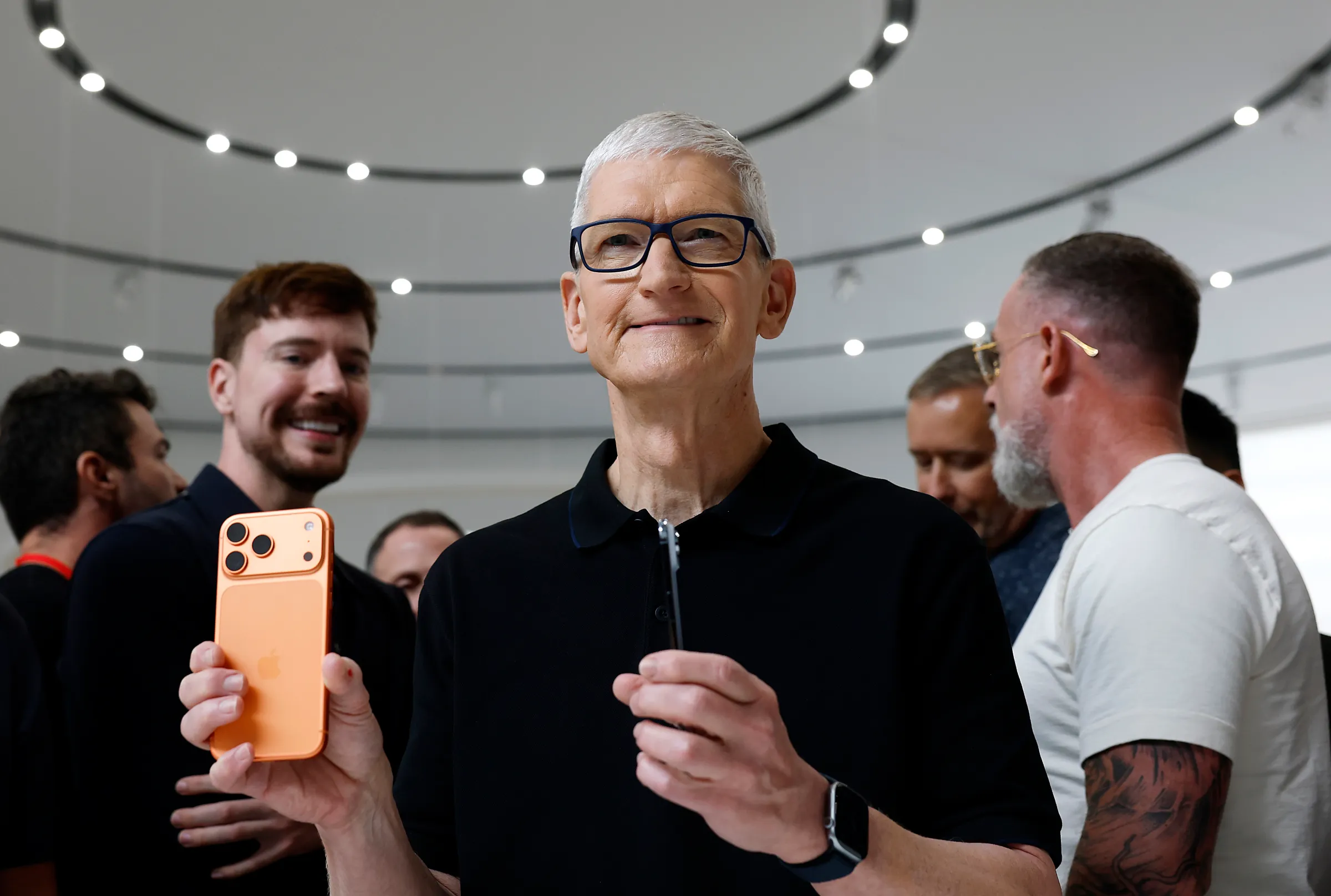
Every year without fail, smartphone manufacturers and big brands like Apple, Samsung, and Google release, not one, not two, but an entire lineup of smartphones with an added number to the name. For example, if last year’s iPhone was iPhone 16, this year’s is iPhone 17, and the next would be iPhone 18. Likewise, the Samsung Galaxy S series moves from S23 to S24, to S25, and so on. You might wonder why only add the “1” to every year’s release?
Well, it’s the iteration number and probably also indicates the amount of innovation and change added to a model compared to its predecessor. ONE!
In other words: right next to zero. Barely anything to justify a new release. That’s it.
If you watch each year’s new releases with a critical eye, you can see that it’s essentially “same as last year but with this one tiny tweak that enables us, the manufacturer, to say that it’s different”.
With the release events, the hype, and FOMO, people have been upgrading their smartphones out of habit, not necessity. In this article, we’re taking a deep look at what new releases of smartphones really add to the customer, vs what the marketing promises, we’ll compare the iterations’ upgrades, and explore smarter alternatives for responsible tech users.
The Psychology Behind Yearly Smartphone Upgrade
The oldest trick in any marketing book is to create a sense of urgency or a perceived need in customers’ minds, making them want to buy the product. In the smartphone market, the need for a smartphone IS real, but not for a new device every year. So, how to create that need so that manufacturers keep making new phones? Innovation. Add new shiny features to the new smartphone, explain to the customer why these new features are a “necessity”, and people will buy. In 2024, research conducted by Vodafone UK found that 6 million people in the country change their phones every year, around September/October. 42% of participants in that survey said that they have to keep up with the new features every year.
Social pressure and fear of missing out are other components of this process. When smartphones become a symbol of social status and tech upgrades determine how your circle views you, yearly upgrades of your mobile phone become a necessity because it’s “embarrassing” to have last year’s model.
Smartphones: What Actually Changes Each Year
In the past, upgrades in smartphone releases used to be a huge deal, like the 3G upgrade that enabled smartphones to connect to the internet faster, enabling large email attachments and even video chats for the first time. Another example was when Apple launched the iPhone in 2007 with an internet browser and a touchscreen. In 2013, we got the first 4K camera in a phone, and in 2019, 5G phones were in the market with the fastest internet connectivity.
Over the years, we saw huge leaps and bounds in the smartphone evolution until we reached a moment when every individual is holding a device in their hand that used to be science fiction in the 1980s. Then what?
Then we started to witness diminishing returns in smartphone hardware. There are no real significant improvements that can be accomplished as they used to in the beginning of the smartphone evolution. So, yearly releases can’t really offer any wow factor.
The only upgrades smartphone creators can now offer are a 10-15% improved processor compared to last year, 30Hz more in the refresh rate, and a brighter display. Things that the regular user barely notices anyway, if noticed at all.
Even with noticeable upgrades like battery life, screen size, and cameras, they have all reached a practical limit where any upgrades to them are minimal, like changing the size of the bezels on the screen, adding a neat feature to the camera app, not even the hardware itself, and enabling additional features to the battery because the bigger the battery the heavier the phone is going to be.
Where the Real Value Lies
Once you change your view of what new releases of smartphones really offer and what they don’t, you start looking for real value to invest in. The value of a smartphone does not lie in social status and keeping up with yearly upgrades; it’s in what the device offers when you use it. This is why you need to start looking for durable smartphones with good water resistance, and have a compatible ecosystem with them, like Apple’s or Google’s, so that you keep your devices connected. Finally, you must make your smartphone purchase decision based on longevity. Choose a device that gets the best software upgrades for the longest, so you can get the highest value for the price.
With the “software upgrades” point, you might think that getting the newest device gives you the best upgrades, but when you look at it in terms of value, you’ll find that a refurbished iPhone or Android phone from 1-2 years ago will have the same software and get software upgrades with minimum hardware changes.
How to Break the Upgrade Trap
Now that the yearly upgrade hype is seen for what it is, you must break the trap and move beyond appearances to choose real value. Your guide to do so is only 4 simple points:
- Evaluate Your Needs vs Market Claims: When the new launch event hits and the unboxing videos start to pour in on your social media feed, watch them with a critical eye to discern whether the new “amazing” features are really a need for you or can your phone or even a cheaper model can do the same.
- Check Performance Benchmarks: The numbers don’t lie. So, head to GSMArena and utilize their comparison tool to put two phone models side by side and see the real difference in the new launch. Sometimes, you’d be astonished to find out that flagships come with downgrades in certain aspects.
- Consider Buying Refurbished: If you’re due for an upgrade and your decision is value-driven, consider buying a smartphone with all the features and specs you want, refurbished. The performance will be the same, and the price cuts will pleasantly surprise you. Refurbished devices also come with new accessories in some deals as an added value.
- Extend Your Device’s Life: Research has shown that many UK mobile users opt to buy new instead of repairing their devices. With a value-oriented mind, you can now give your device extra years of life by replacing the old battery or the cracked screen without paying the full price of a new phone.
Even with the newest models and latest phone releases, you can still find them refurbished at QwikFone for a fraction of the price. With the protection of a 12-month warranty including free repairs and phone replacements, a full refund guarantee if you return the device within 30 days, and new accessories included, refurbished phones are a far better option than following the new launch hype.
Conclusion
As we get ready for 2026, more people are realizing that new smartphone launches are just hype with little true value added to the device. The reason for this is not that smartphone creators are trying to deceive their buyers, but that smartphones themselves have reached a point where there’s almost no room for groundbreaking additions.
As a tech buyer, it’s your role to prioritize functionality and sustainability over showy purchases for responsible tech consumption.
It’s time to consider buying refurbished smartphones for your next upgrade from a trusted refurbisher like QwikFone to guarantee high-quality devices and reliable support after your purchase to maximize the value you’re getting from your next mobile phone.
Stay in touch to get more updates & news on Internet Chicks!
 UmarAwan
  Ghulam Murtaza Khan